
We are (not) the robots
…in which we defiantly keep our little corner of the internet free from Artificial Intelligence… and also announce two new courses!
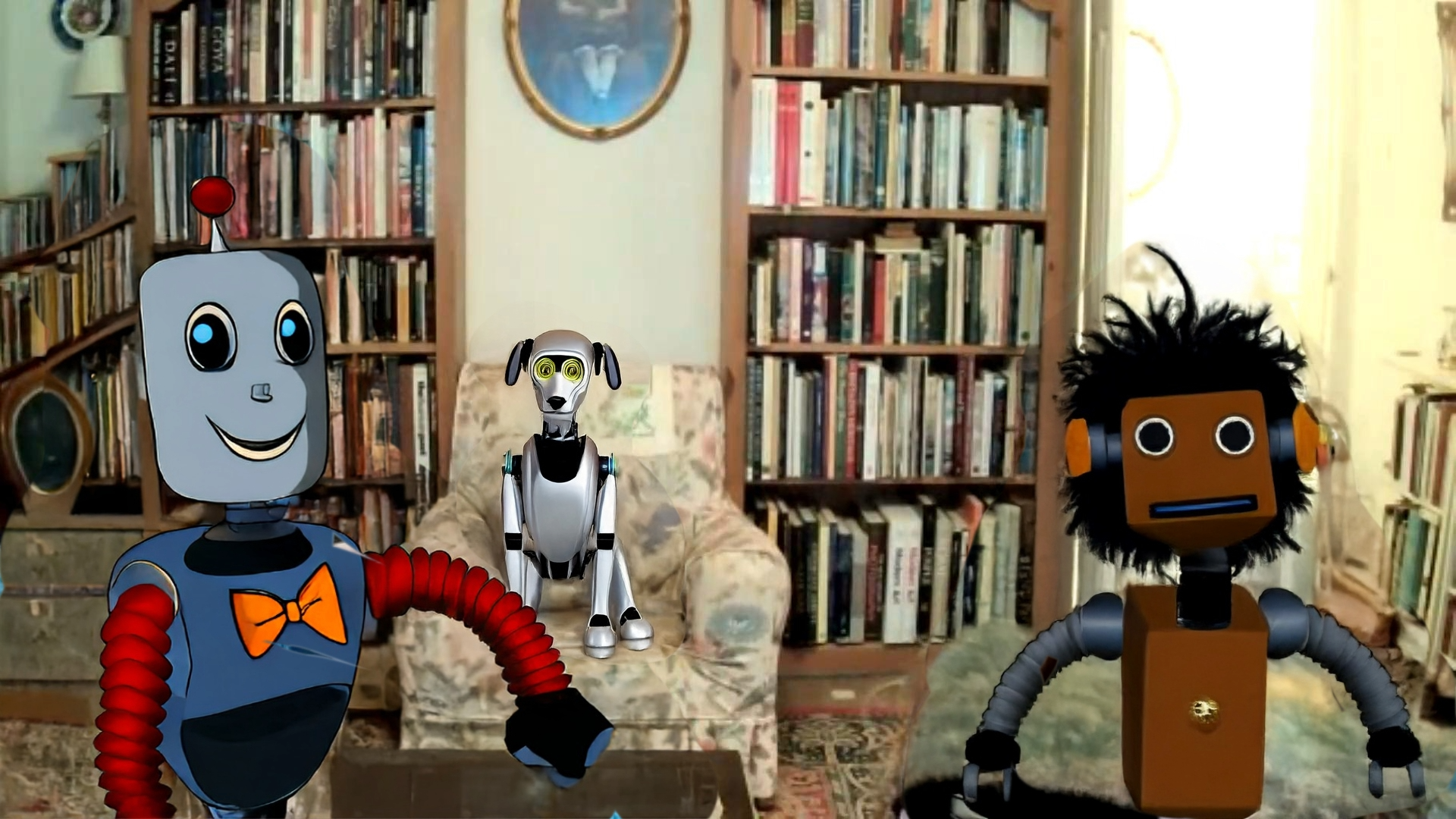
Wright History (possibly), should we fail in our mission to withstand our AI overlords.
Depending on what you were up to in 1978, this post’s title may well have given you an earworm - for which I’m sorry and/or you’re welcome [delete as/if applicable].
Regardless, to paraphrase those prescient electro double agents, as they flitted across the musical version of the Iron Curtain between man and machine, we have charged our battery, and now we’re with energy - aka: summer is just about done, and we’re gearing up for our new term.
Robert has rediscovered his love of Going for Walks (avec ou sans Duffy, depending on the terrain, rain, and duration). And I have taken advantage of the coincidence of extra time afforded by our reduced summer programme and the nuptial ‘busy season’ to snaffle as many extra marrying shifts as possible, then unwinding with my own rediscovery, i.e. that I enjoy historical fiction, and indulging my love of cooking and feeding my nearest and dearest once they are back from Nature.
So yes. We are recharged, and raring to go!
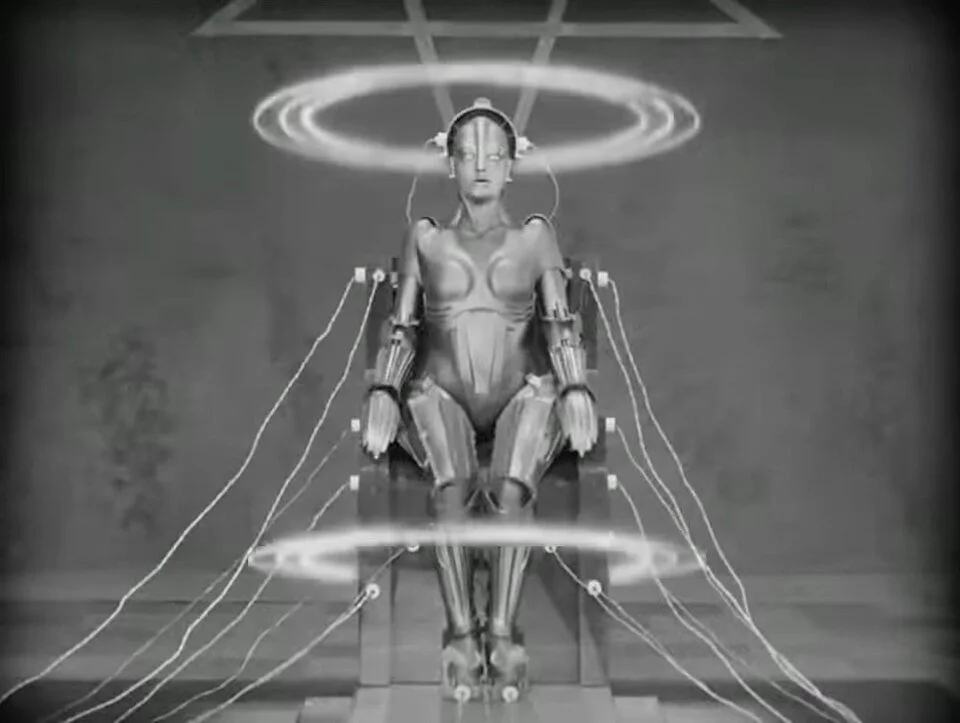
Artificial Intelligence patiently waiting for Robert to log into Zoom, so that it can slow everything down
aka: screenshot from Metropolis, dir. Fritz Lang, 1927
Image here via: https://en.wikipedia.org/w/index.php?curid=74787924
Summer also saw me undertaking a course on digital marketing for small businesses, whilst working behind the scenes to update our website and preparing to try to find more people who may be interested in our courses. Not surprisingly, the course included espousal of the benefits of using the ever-evolving and increasingly sophisticated abilities of Artificial Intelligence to achieve these ends.
It seems that many in the business world agree. Thus, for example, as those of you who’ve been on recent courses with us may recall, our ageing-but-still-functional tech has occasionally been slowed down by the increased resources required for the repeated insistence of some of our software providers that everything would be so much better were we to let Artificial Intelligence into our lives.
Even as I type this, I am being urged to tap into AI’s potential. Our inbox just pinged to tell me that I should explore (and I quote directly here) ‘The state of AI-led entrepreneurship’, and that ‘69% of entrepreneurs use AI for writing content’. As anyone who’s known us for more than …oohh… 3 nano-seconds might assume, neither of us could refer to ourselves as entrepreneurs with a straight face, but regardless of nomenclature, any business - however small or otherwise - is prey to the constant siren call of the wonders of Artificial Intelligence, insisting that embracing AI will turbocharge said business - maximising profit and reaching new audiences. What business doesn’t need that?! So what’s stopping us from enthusiastically jumping on the AI train, then?
Hmmm…
As many of you know, and more of you might well assume, Robert and I are less than comfortable with AI - for many reasons, both micro and macro.
I get frustrated, for example, by the fact that an AI “improvement” means that I can no longer have image captions in a smaller font on blog posts (see above).
I find early AI attempts at creative content offensively vacuous. Moreover, I am offended by AI’s wholesale plundering of others’ experience and creativity. And by the myriad implications of the fact that before long, said plundering means that AI content will consequently be less vacuous and more insidious.
As someone who spent many years encouraging successive generations of students to develop critical thinking skills, seeing them fizz and sparkle as they gained confidence and enjoyment in doing so, I am depressed by the extent to which so many people seem to rely on AI for information and help with decision-making; by how quickly it’s become normalized to rely on a pre-collated, masticated, and repackaged single answer.
In addition to my personal distaste for the aesthetics and ethics of some AI projects, I am extremely alarmed by the extent to which AI seems to be edging into potentially life-altering decision processes and protocols, and the apparent lack of regulation in “conversations” with extremely vulnerable individuals (including minors).
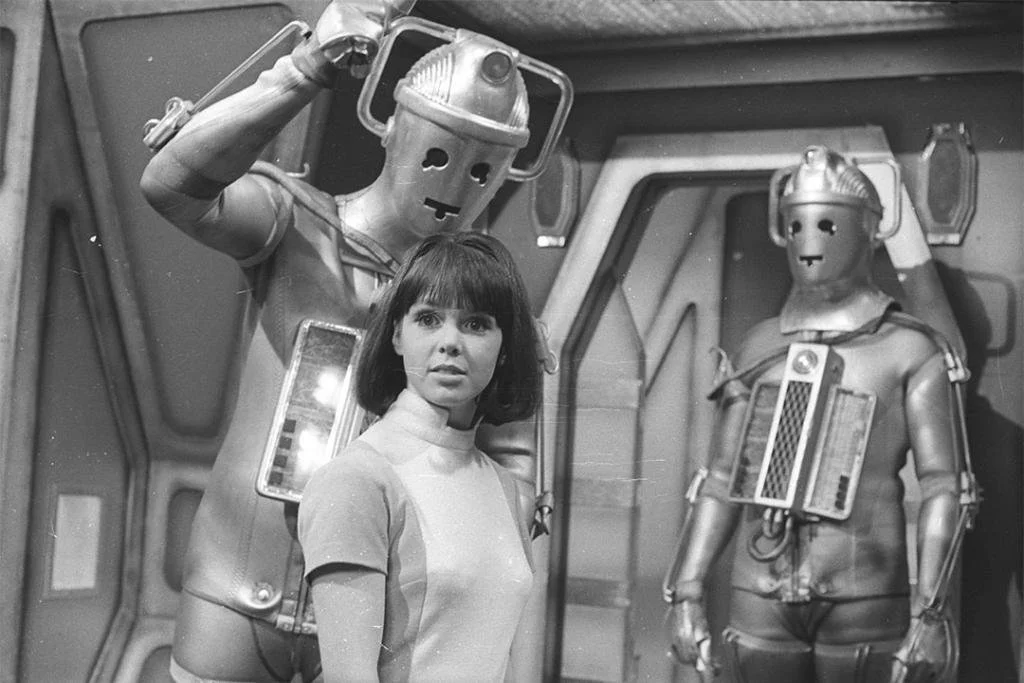
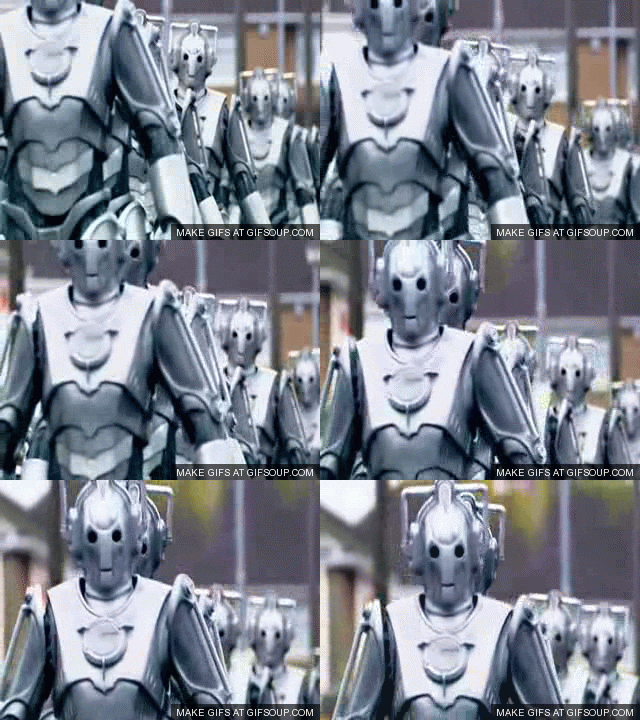
Still from Dr Who, ‘The Wheel in Space’, 1968
Here via: https://www.liverpoolmuseums.org.uk/stories/ten-of-scariest-doctor-who-baddies
I’m bewildered by the apparently increasing reliance on AI for child entertainment, therapy, companionship, romance, sex, and marriage. I don’t judge, I hasten to add. But as part of a broader trend, which has developed and infiltrated so many facets of our lives so very quickly, it is at best noteworthy. And at worst, it’s plunging us head-first into a real-life dystopia which makes Charlie Brooker’s Black Mirror universes look fluffily optimistic.
And yet… Am I just being a Luddite?
I do see that AI could be a force for good - for example sifting through huge data sets and/or designing extrapolated models in medical, pharmacological, and diagnostic research, and even in the creative realms of art and history.
At one level, our reluctance to embrace this brave new world may well simply be misplaced pride. Robert and I have, after all, based our respective careers on forging narratives and wrangling words. Of course we’re going to be sniffy about the notion of a jumped-up Amstrad seeking to do that - and, indeed, potentially alarmed by the prospect of said jumped-up Amstrad effectively replacing us!
At this point, you might be forgiven for wondering whether I am, in fact, a hypocrite.
Here I am, wanging on about critical thinking… and yet am I not being rather closed-minded about the potential of AI? That is a very astute point, O Imagined Sceptical Reader! But rest assured: I have in fact tested my hypothesis, to see whether it is little more than blinkered head-in-the-sand bias. Thus, for example, given that my human-generated attempts to find new Denizens of Wright History have not been an unqualified success, I asked AI to come up with a script for a video which would reflect what we do and appeal to those who might enjoy it, so that we could throw ourselves into a social media campaign. I swear that this (left) is what I got, and that other than the very beginning and the very end, I have not tweaked it for comedic (or cringeworthy) effect.
And just when I was thinking that I should just get over myself, venture into AI with good faith and patience and try again, I received another message from the AI Resistance movement (is that A Thing? Perhaps it should be).
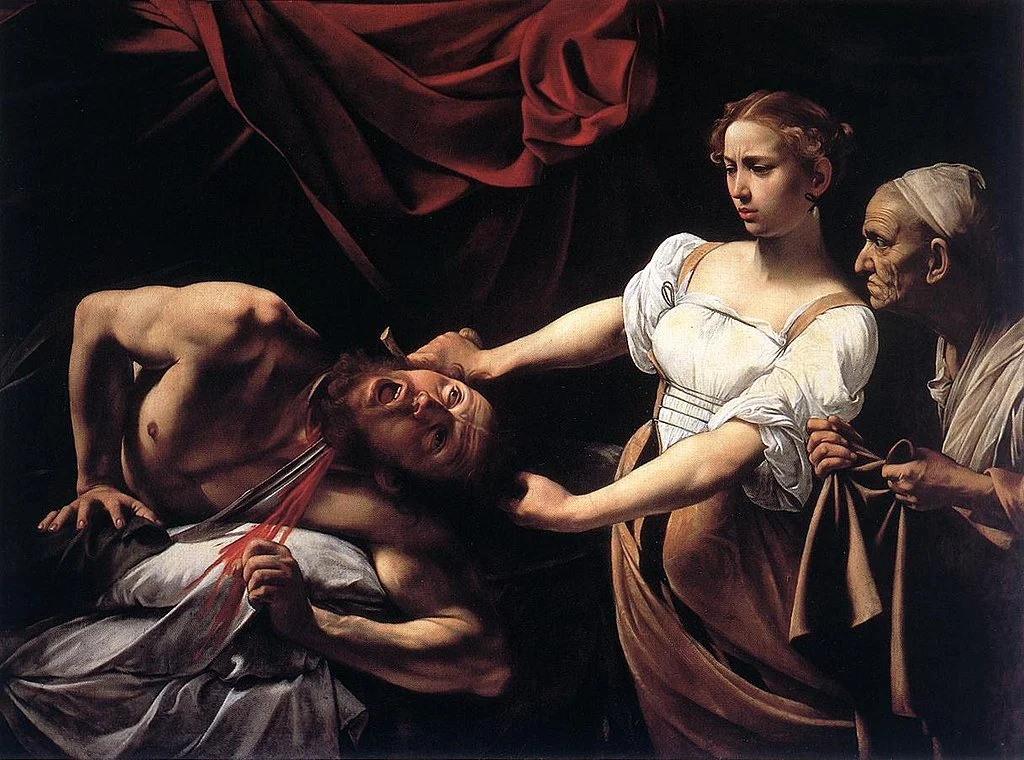
Conversation at the tail end of our final Vatican session turned to Pope Francis’s choice of burial place, i.e. Santa Maria Maggiore in Rome. Remembering that the late Pope’s favourite piece in the papal art collection was a Caravaggio, but not which it was or whether its location may have been a factor in his choice of final resting place (and yes… I admit it: also wondering whether that might allow me a shameless plug for next month’s Short & Sweet on… yes: you guessed… Caravaggio),* I did a quick and dirty google of “pope francis burial location caravaggio”. Like most of you, I’m sure, I automatically ignore the AI overview answer of every search, but there was something about this one which snagged my eye. I quote, verbatim:
No, Pope Francis did not bury Caravaggio; Pope Francis is alive and was recently buried at Santa Maria Maggiore, while Caravaggio, the Baroque painter, died in 1610 and his remains were found to be from the period in which he died, not by the current Pope Francis. The confusion may stem from Pope Francis's expressed admiration for Caravaggio's work and the fact that archaeologists identified Caravaggio's remains in 2010.
No really. This gave me a couple of quick chuckles, but there’s also a serious point to be made. I still maintain that whatever the fabulous potential of Artificial Intelligence may be, we’re not there yet, and the jury is still out as to cui bono.
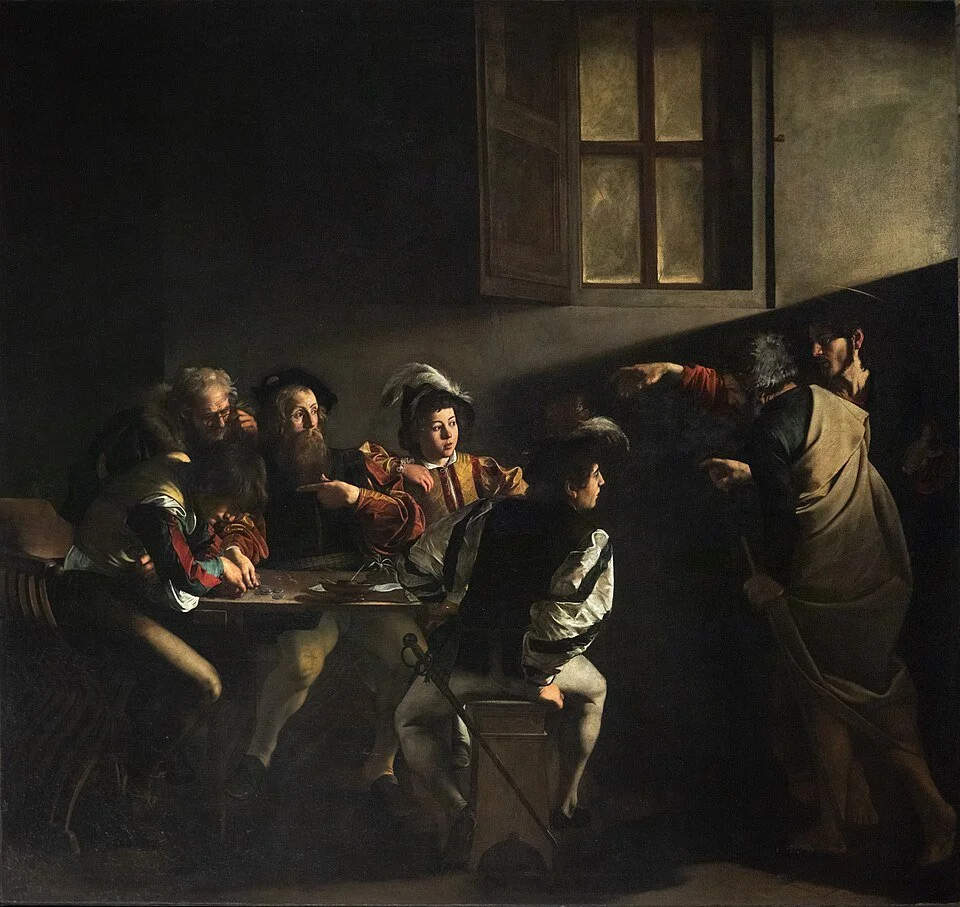
Caravaggio, The Vocation of St Matthew, 1599-1600
Image here via: https://commons.wikimedia.org/wiki/File:Caravaggio_%E2%80%94_The_Calling_of_Saint_Matthew.jpg
* [ In case you’re wondering too, the Caravaggio in question is The Vocation of Saint Matthew, which is in the Contarelli Chapel of San Luigi dei Francesi. And yes - it did feature in the exquisitely-filmed and Caravaggio-laced Ripley of last year, along with Caravaggio’s other Matthew masterpieces (i.e. his inspiration and martyrdom) in situ.
Also FYI, I’ve yet to find any evidence to corroborate the alarming suggestion that Pope Francis was alive at the point of inhumation. But fair play. I’ve not found anything to refute the claim that Caravaggio’s remains date to the period in which he died.]
Now. AI or not, my original mission is still outstanding, and I wonder whether I might ask you, O Denizens, to help us out here, please.
As part of my updating and general primping of our website, we need to have some more testimonials. We’re very grateful to those of you who have already kindly testified (Hmmm. Thinks… is that the verb for giving a testimonial like this? That is, I suspect, the sort of question which AI wouldn’t ask itself!), but this is one of those occasions when more is, in fact, more!
If you like what we do, would you consider, please, submitting a brief testimonial?
Hopefully, if I manage to encourage others to visit our website, such testimonials may help them to work out whether they might also like what we do. There’s a form here, or you can, should you prefer, simply post it as a comment on this blog page or send me an email.
Finally, I promised at the top of the page that we’d be announcing two new courses.
These will, of course, be generated by YI rather than AI (that’s Yorkshire Intelligence, natch), so without further ado, I present unto you another adventure in our Really Old History series, and a little project which has been warming the cockles of Robert’s heart for some time in its gestation, and is finally ready to see the world…
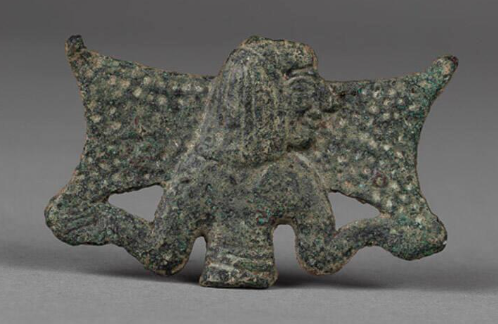
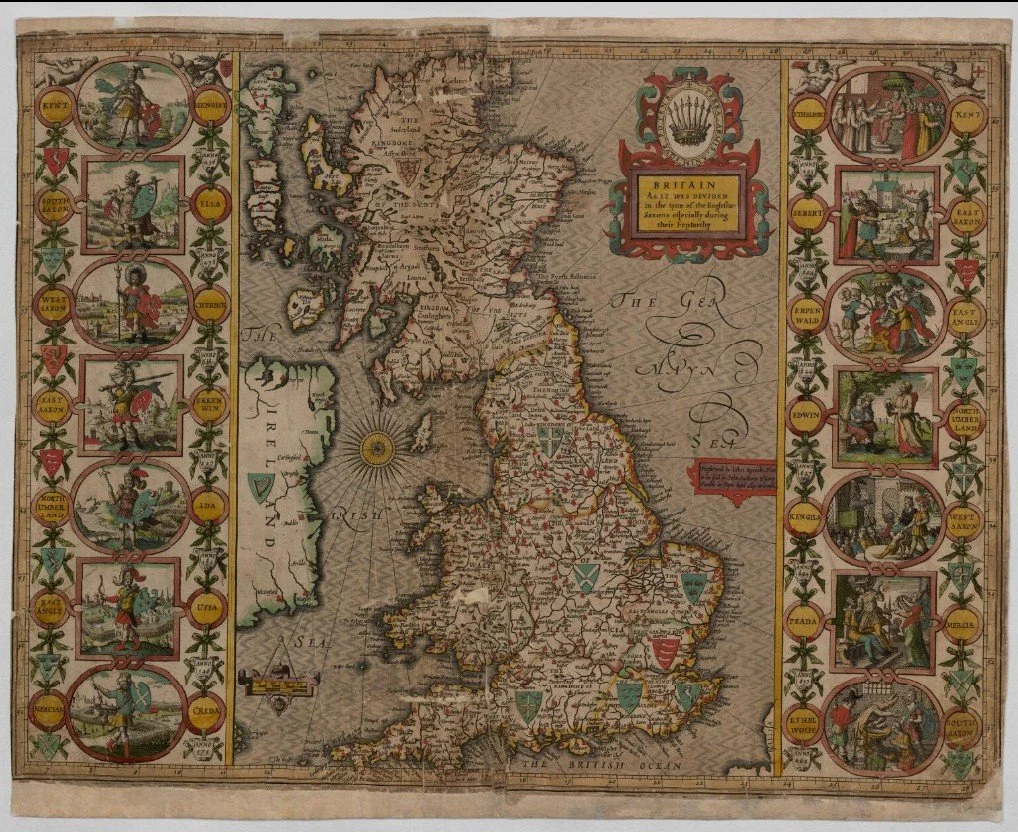

The Map of Britain
These two beauties complete our programme up to Christmas. We are currently busy working on finalizing our first courses of 2026 (I know…!!), and will of course let you know as soon as our courses for January and beyond are open for registration.